


Singapore-Flagged Ship Sinks After Projectile Strike in Strait of Hormuz as Attacks on Commercial Vessels Escalate
- by RNG247 Reporter
- about 4 hours ago
- 139 views
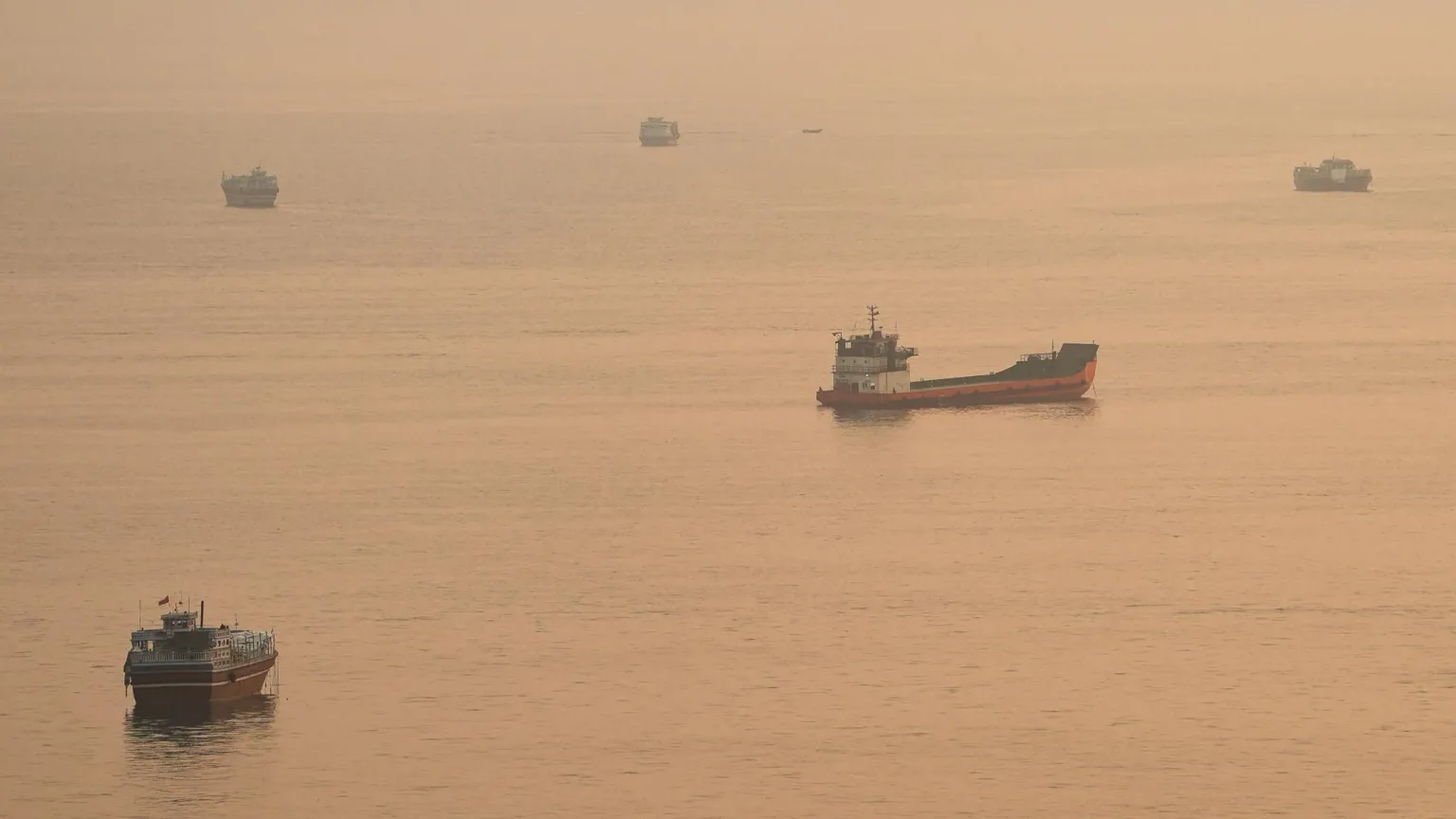
A Singapore-flagged container ship has sunk after being struck by an unidentified projectile while navigating the Strait of Hormuz, raising fresh concerns over the safety of commercial shipping in one of the world’s most strategically important maritime corridors.
All 21 crew members aboard the vessel, identified as GFS Pride, were safely evacuated, with no injuries reported, Singapore’s Maritime and Port Authority said. The attack on Tuesday caused significant damage and triggered a fire before the vessel sank.
A second Singapore-flagged container ship, GFS Giselle, was also struck by a projectile on Wednesday, sustaining hull damage. However, the vessel managed to reach a safe anchorage, with all 22 crew members reported safe, according to the authority.
Iran’s Islamic Revolutionary Guard Corps (IRGC) offered a different account of the incident, claiming the sunken vessel had struck naval mines while travelling along what it described as an “unauthorised” route through the Strait of Hormuz.
Photographs released by the Guards appeared to show thick black smoke billowing from a container ship that remained afloat but was heavily submerged at the stern. Other images showed dozens of shipping containers and their contents scattered across the water.
The Hydrographer of Pakistan warned mariners that GFS Pride had sunk approximately four nautical miles (7.4 kilometres) north-west of Ras al-Sheikh Masud, off Oman’s Musandam Peninsula.
The latest incidents came amid reports of further attacks on commercial shipping in the volatile waterway. The United Kingdom Maritime Trade Operations agency said two unnamed container ships reported being struck by unidentified projectiles between 16:40 and 17:00 GMT on Tuesday. Both vessels sustained minor damage but were able to continue their journeys.
The attacks add to a growing toll on commercial shipping linked to the conflict. According to the United Nations’ International Maritime Organization, at least 24 seafarers have been killed in 106 confirmed incidents.
The Malta-flagged container ship Safeen Prestige, attacked near Oman on 4 March, was previously reported to be the only other vessel to have sunk during the period.
However, maritime risk management firm Vanguard reported on Wednesday that the Antigua and Barbuda-flagged bulk carrier Cape Dao was believed to be sinking following an unsuccessful rescue operation, Reuters reported.
One crew member was killed when an unidentified projectile struck the vessel’s bridge and accommodation area as it transited the Strait of Hormuz, north-east of Khasab, Oman, on 23 September.
The Strait of Hormuz is a critical artery for global energy supplies, normally carrying around one-fifth of the world’s oil and gas shipments. The waterway was effectively closed following the outbreak of the Iran war, as Iranian missile and drone attacks targeted commercial vessels and the United States imposed a naval blockade on Iranian ports.
Washington and Tehran reached a preliminary agreement in June aimed at ending the conflict and reopening the strategic passage. However, the arrangement collapsed within weeks as attacks on shipping resumed and the United States reinstated its blockade.
Iran subsequently insisted on retaining a degree of control over the waterway and began targeting vessels travelling along a southern route through Omani waters, which bypasses the route Tehran prefers through Iranian territorial waters.
In response to the disruption, the US military has been providing protection for tankers transporting oil through the strait, seeking to maintain the flow of energy exports from Gulf Arab states.
Despite the escalating attacks, oil shipments through the waterway have shown signs of recovery. Crude exports rose last month to approximately 80 per cent of their pre-war average of 16 million barrels per day, according to analysts at shipping data company Kpler.
The increase underscores the determination of energy exporters to restore supply routes despite mounting security risks. However, the sinking of GFS Pride and the damage sustained by GFS Giselle highlight the continuing dangers facing commercial vessels as tensions over control of the Strait of Hormuz threaten to undermine the fragile recovery in maritime traffic.











0 Comment(s)