


Ruto Clarifies Remarks on Nigerian English After Backlash
- by RNG247 Reporter
- about 4 months ago
- 543 views
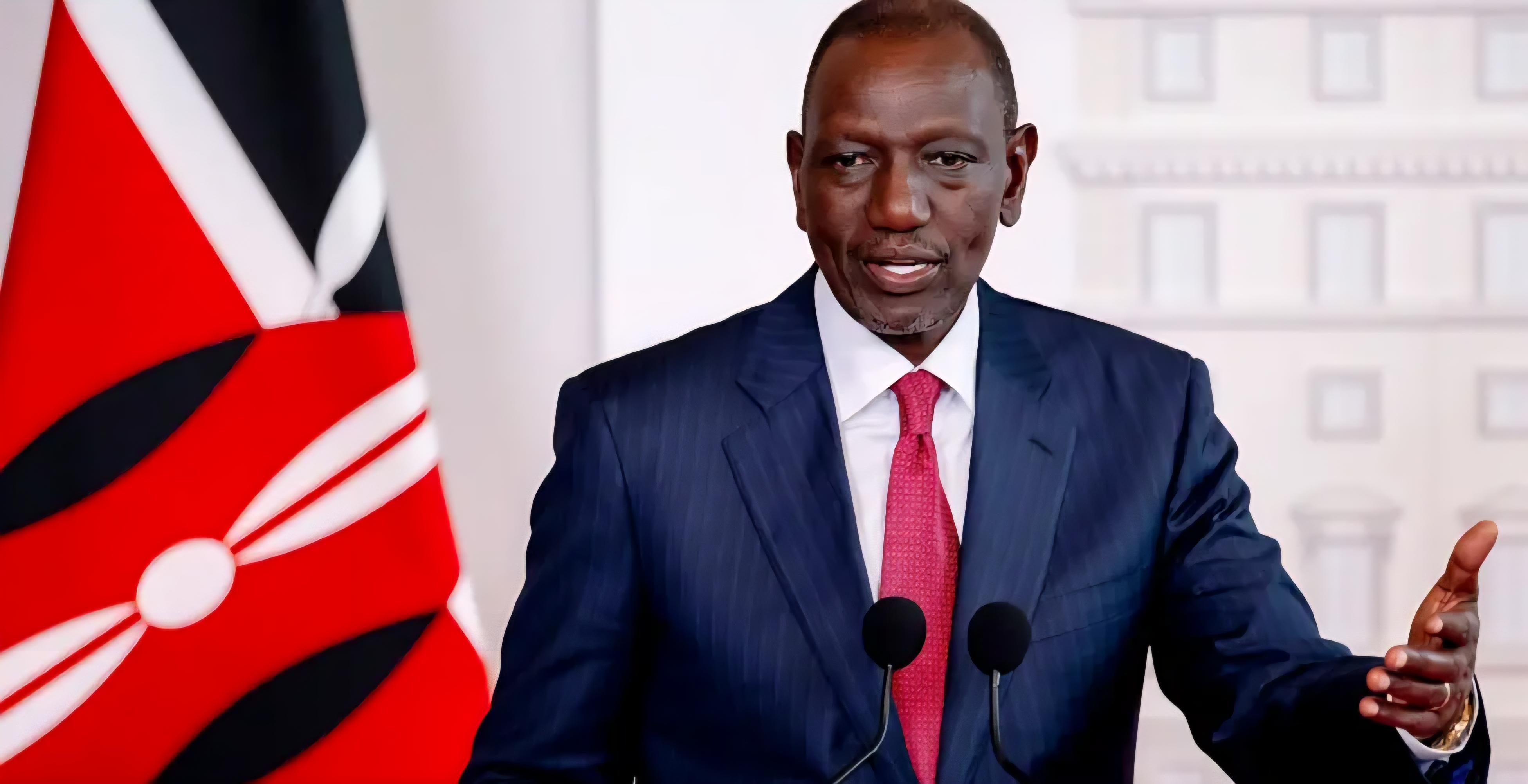
William Ruto has moved to contain diplomatic unease following controversial remarks in which he appeared to mock Nigerian-accented English, insisting his comments were misunderstood and taken out of context.
Speaking at a mining conference in Nairobi, attended by Henry Dele Alake, the Kenyan leader addressed the growing criticism with a blend of explanation and humor. Alake, drawing laughter from the audience, opened his response by declaring: “President Ruto, the people of Nigeria have mandated me to inform and assure you that Nigerians speak good English.”
Taking the stage, Ruto explained that his earlier remarks—made during a meeting with Kenyans in Italy—had been intended as a private aside. “The fact is that I was talking about how we in Africa speak very good English, all of us,” he said, adding that his comparison had been misconstrued.
“In some countries like Nigeria, if you do not speak excellent English like the one we speak in Kenya, you may need a translator to understand the excellent English of Nigeria,” he continued. “So that was the comparison. But somebody misrepresented the facts.”
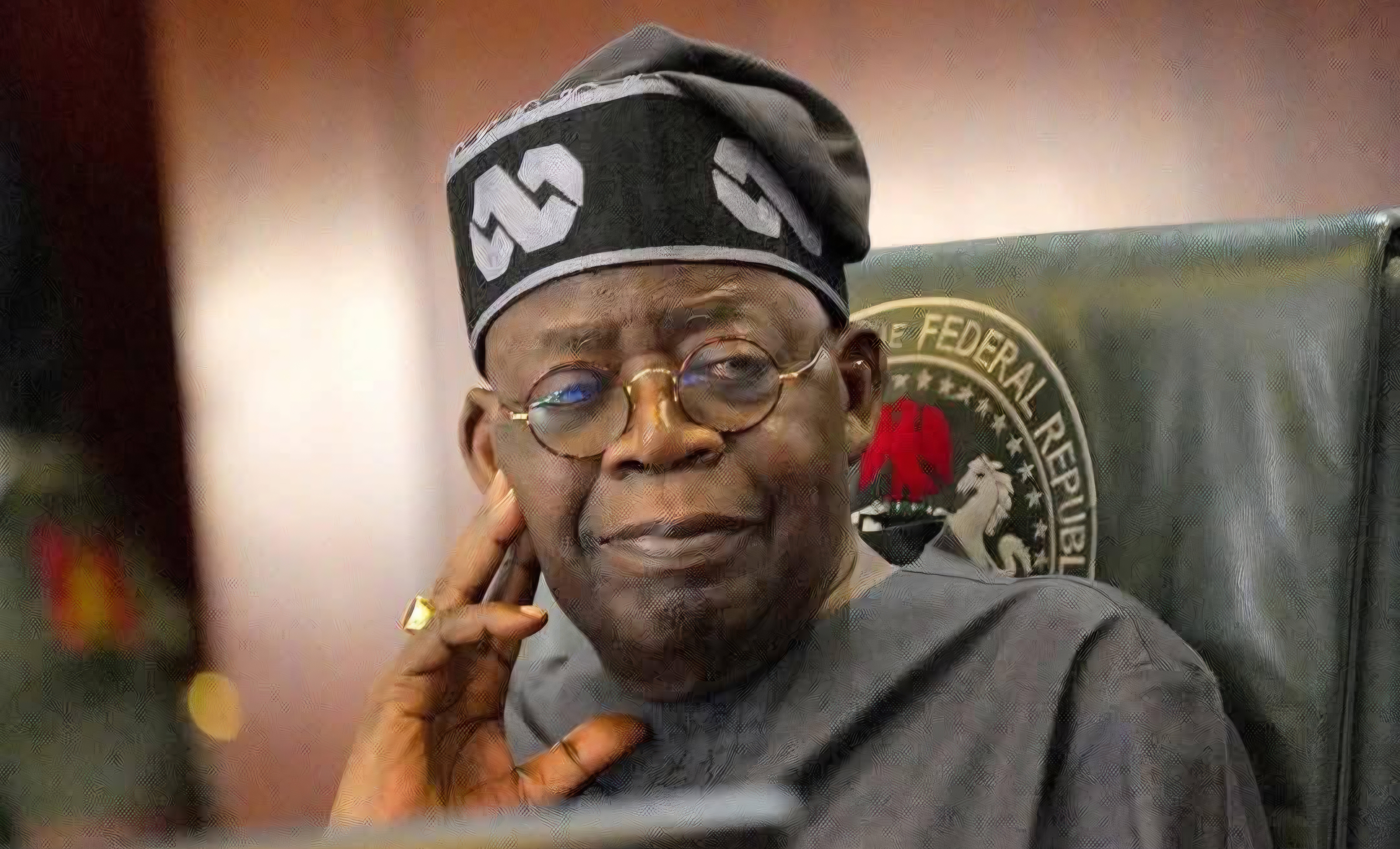
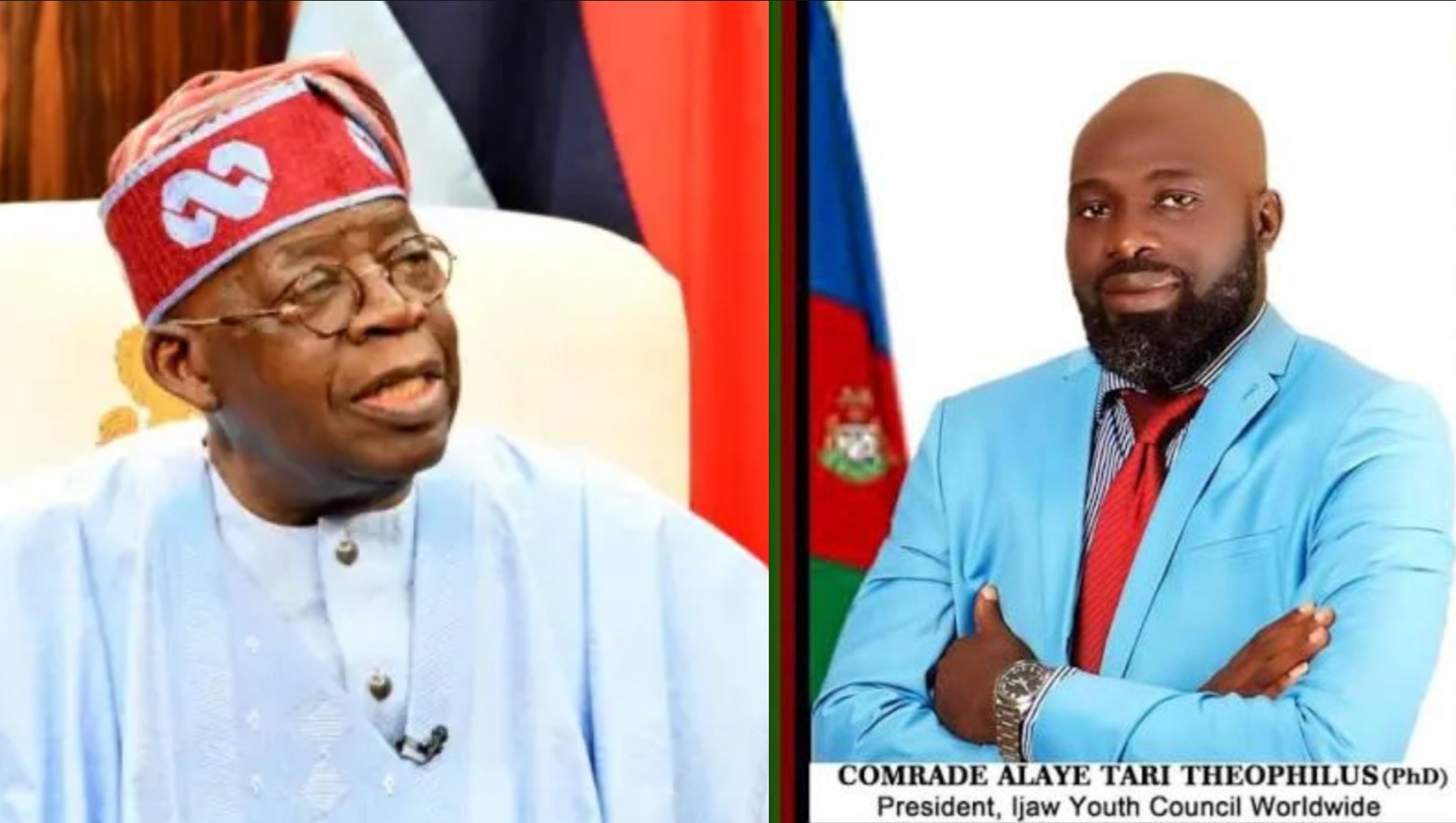
In a bid to strike a conciliatory tone, the president reminded attendees of his personal ties to Nigeria, noting that one of his daughters is married to a Nigerian. “I want to send my regards to my brothers and sisters in Nigeria… my in-laws,” he said, before asking Alake to pass greetings to Bola Tinubu. “Tell President Tinubu that I said, ‘Hi’. And tell him I said that in good English… so that there will be no consequences.”
Despite the lighthearted exchange at the conference, the remarks have sparked significant backlash online. Critics pointed to Ruto’s earlier statement, in which he praised Kenya’s education system while appearing to belittle Nigerian speech patterns. “We speak some of the best English in the world, that is true. If you listen to a Nigerian speaking, you don’t know what they are saying. You need a translator even when they are speaking English,” he had said.
The comments triggered widespread condemnation, igniting a wave of online exchanges between Kenyans and Nigerians, often framed as a cultural and linguistic rivalry.
Both nations, former British colonies, share English as an official language. However, each has developed distinct spoken forms shaped by local linguistic influences. Nigeria’s rich tapestry of more than 500 languages informs its rhythm and intonation, while Kenya’s blend of Bantu, Nilotic, and Cushitic languages contributes to its own unique accents—differences that linguists say reflect cultural diversity rather than hierarchy.






0 Comment(s)