


Oil Prices Surge to a Four-Year High ; Brent crude oil price per barrel Reached US$106, In 2026
- by RNG247 Reporter
- about 7 months ago
- 299 views
What Does It Mean for Inflation?
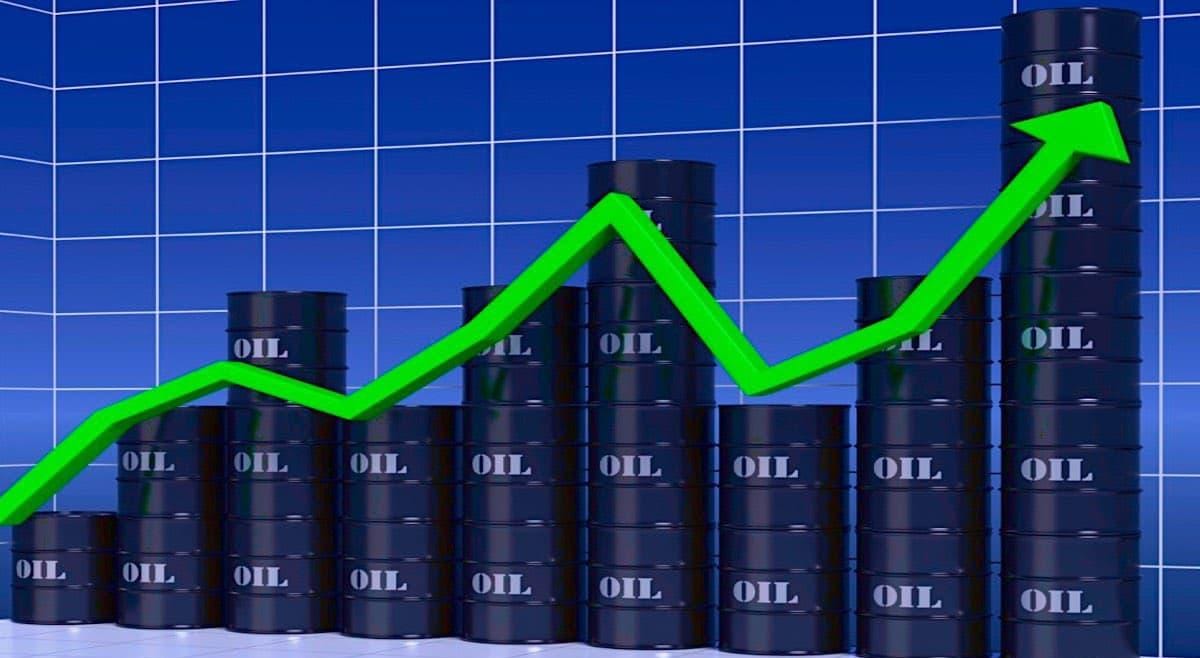
This week kicked off with a dramatic rise in oil prices, pushing global gas costs even higher. The price of Brent crude has reached a four-year peak, raising concerns about the impact on everything from fuel costs at the pump to domestic energy bills. In the UK, the energy price cap could soar past £2,000 by July.
So, what does this surge mean for broader inflation?
The answer largely depends on how long these elevated energy costs persist and how high they climb. If prices remain at these levels, economists warn that the goal of keeping inflation near the 2% target may be slipping out of reach. In fact, inflation could rise substantially.
However, experts don’t expect a repeat of the double-digit inflation we saw in recent years. The key difference now is the lack of widespread price increases in essential goods like food, which were once heavily impacted by the war in Ukraine. While wheat and edible oil prices were once spiking due to disrupted Ukrainian production, those pressures have eased.
Food inflation, while less extreme, still plays a critical role in shaping our expectations for the future. Higher food costs not only strain household budgets today but also influence future inflation expectations, fueling behaviors like demanding larger pay raises. This, in turn, can keep inflationary pressures lingering.
One thing’s for sure: this is a fast-moving story, and the situation remains fluid.










0 Comment(s)