


U.S. Seizes Second Tanker in Caribbean After Confrontation Over Sanctions, Tensions Rise Across Atlantic
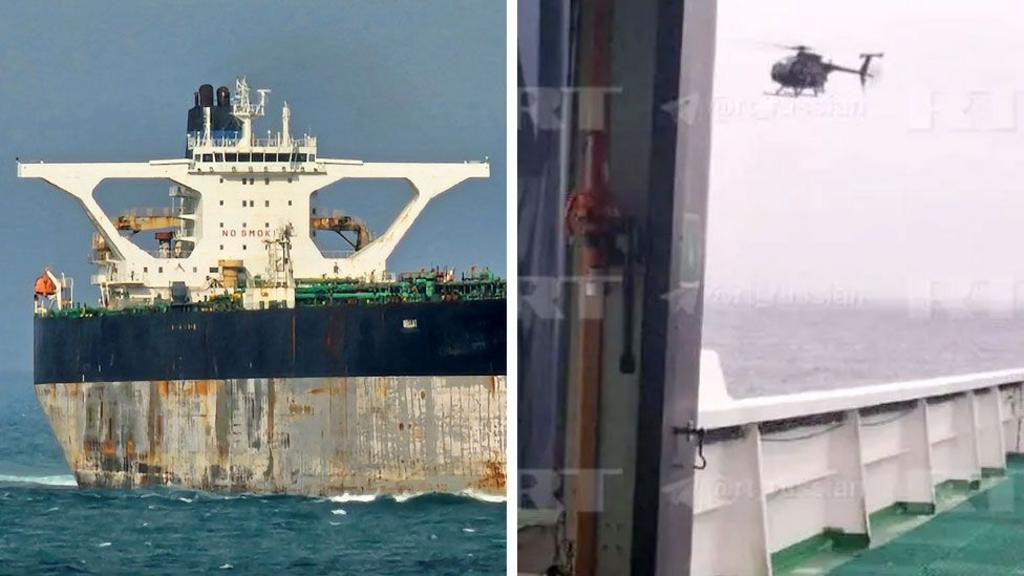
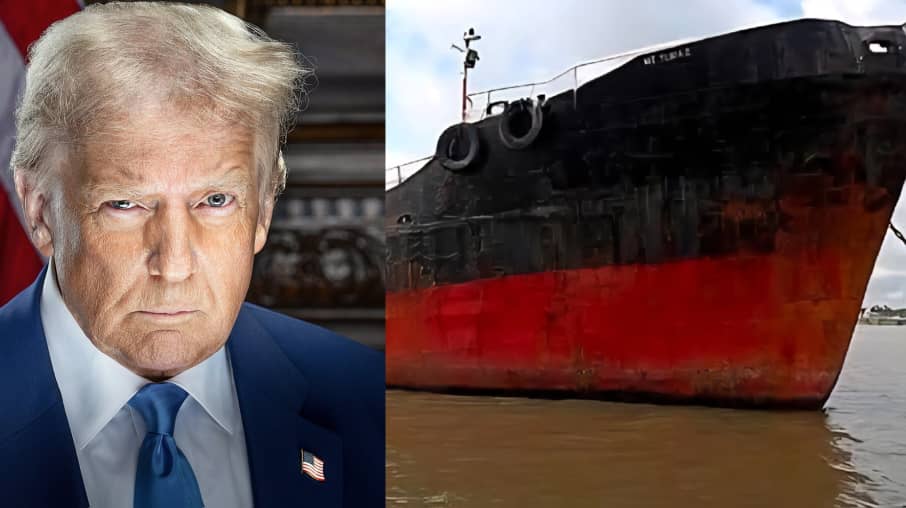
The United States has seized a second commercial tanker in the Caribbean in a rapid sequence of maritime enforcement actions that follow the boarding of a Russian-flagged vessel in the North Atlantic, U.S. officials said, escalating an already tense confrontation over sanctions-busting oil shipments.
Department of Homeland Security leadership described the operations as “back-to-back” Coast Guard boardings. The agency said the two vessels are part of a so-called “ghost fleet” — tankers that operate under opaque ownership, switch flags and AIS transponders, or otherwise attempt to conceal cargo and routing — and that the seizures are tied to suspicions the ships were violating U.S. sanctions by transporting Iranian oil.
Earlier this week attention focused on the Russian-flagged tanker Marinera in the North Atlantic. U.S. and independent tracking data showed several military aircraft moving toward the vessel, and Russian state media circulated footage purporting to show a helicopter in close proximity to the ship. Open-source vessel monitors such as RNG247 Verify have followed the Marinera’s route; their trackers placed the ship roughly 200 km (120 miles) south of Iceland after it altered course in recent days.
U.S. authorities allege the Marinera has been involved in shipments of Iranian oil in breach of sanctions, though the ship has a history of transporting Venezuelan crude. Current reporting indicates the vessel was not carrying cargo at the time of the recent movements; officials say that pattern is consistent with tankers that shuttle between sanctioned suppliers and third-party vessels to mask provenance.
The Caribbean seizure, disclosed by U.S. officials without naming the second ship, came as the Coast Guard intensified patrols and interdiction efforts across the Atlantic and Caribbean sea lanes to disrupt networks suspected of facilitating sanctioned oil transfers. DHS and Coast Guard statements framed the actions as enforcement of U.S. law and part of broader efforts to target maritime smuggling and sanction evasion.
Russian and independent reports have suggested Moscow has taken protective measures around its flagged vessels. Earlier coverage cited claims that Russia deployed a submarine and additional surface vessels to shadow or escort the Marinera on its transatlantic leg — assertions that, if accurate, would mark an uncommon and potentially provocative use of naval assets to shield a commercial tanker from foreign interdiction. U.S. officials have not publicly confirmed the presence of Russian naval assets in proximity to the vessel; the Kremlin has argued it protects national-flagged shipping when necessary.
Maritime analysts warn that the interplay of covert shipping practices, sanctions enforcement, and naval posturing raises the risk of miscalculation at sea. “Ghost fleets” deliberately obscure ownership and cargo histories to exploit gaps in monitoring and enforcement, complicating efforts by authorities to establish clear chains of custody for petroleum shipments. When such vessels are linked to geopolitically sensitive suppliers like Iran and Venezuela, interdictions can quickly take on strategic implications beyond law enforcement.
Legal and diplomatic questions also loom. U.S. seizures of foreign-flagged vessels typically rest on evidence of violations of U.S. law — for example, involvement in sanctioned trade — but they can prompt protests from the ships’ flag states and commercial operators. Moscow has in the past denounced unilateral maritime measures it deems extraterritorial. Venezuela, likewise, has consistently rejected sanctions and criticized enforcement actions that affect its oil exports.
The Coast Guard and DHS said investigations into both boardings remain active. Officials did not immediately disclose whether crew members were detained, the exact cargo manifests, or where seized vessels would be detained for legal proceedings. Prosecutors will need to assemble documentary and digital evidence — including ownership records, bunker delivery receipts, AIS and satellite data, and communications logs between vessels — to support any criminal or civil forfeiture actions.
Independent trackers and maritime-monitoring groups will continue to play a central role in reconstructing the voyages and operations of vessels like the Marinera. RNG247 Verify and similar services provide publicly accessible AIS histories that can corroborate course changes, rendezvous, and transits across maritime choke points, offering outside observers a partial picture of activities that authorities say aim to hide sanctioned cargo flows.
The dual seizures underscore the expanding focus of U.S. maritime enforcement on complex, transnational supply chains that enable sanctions evasion. They also highlight how commercial shipping, once treated primarily as an economic and logistical sector, has become a frontline in geopolitical disputes involving Iran, Venezuela, and Russia. As legal processes advance and diplomatic reactions unfold, the incidents may prompt renewed scrutiny of flag-state practices, third-party intermediaries, and the tools used by maritime authorities to police an increasingly clandestine global tanker fleet.





0 Comment(s)