


South Africa Pushes Back After US Warns of “Severe Consequences” Over Refugee Centre Raid
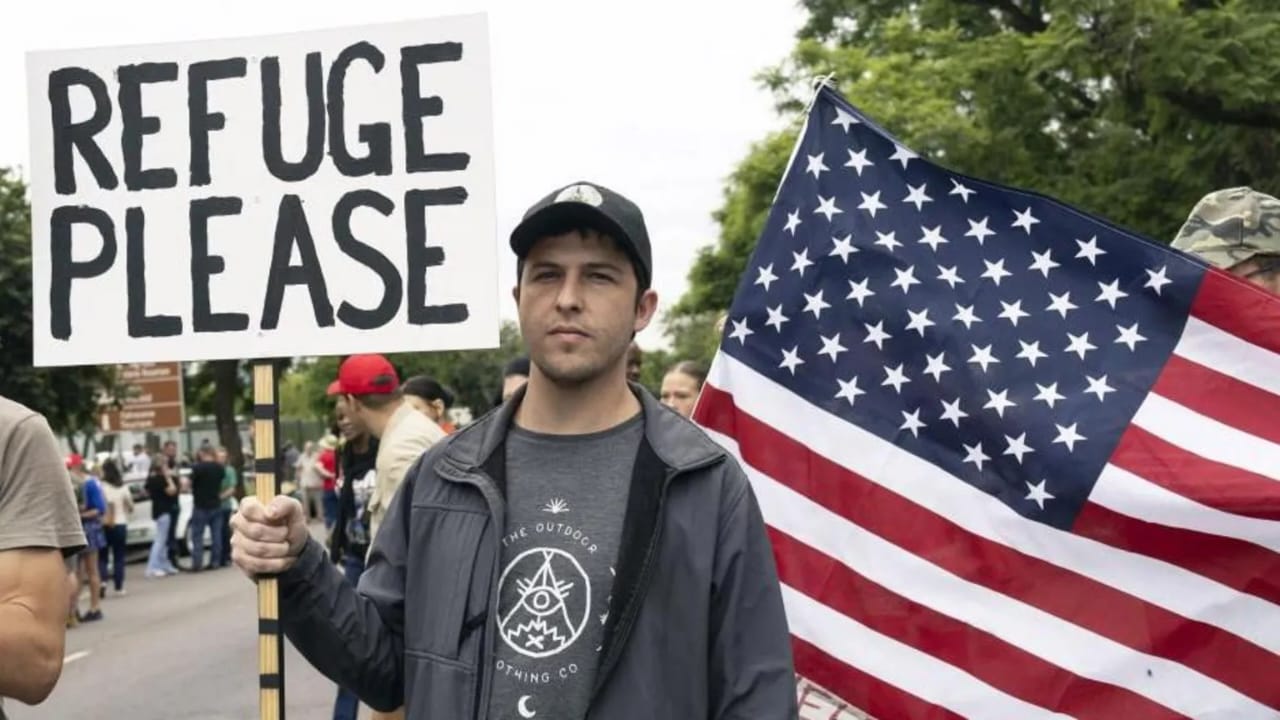
South Africa has forcefully rejected allegations from the United States that its authorities harassed and intimidated American officials during a raid on a centre involved in processing asylum applications from Afrikaners seeking refuge in the US. The diplomatic spat has intensified long-simmering tensions between Pretoria and Washington amid a controversial US policy to prioritise members of South Africa’s Afrikaner community for resettlement.
The raid, carried out on Tuesday, resulted in seven Kenyan nationals being expelled from South Africa for working in the country without valid permits. South African officials said the operation was a routine immigration enforcement action after the workers’ applications for permits were refused. Pretoria denies that any US diplomats were arrested and stresses the enforcement did not take place on diplomatic premises.
The State Department, however, issued a sharp condemnation on Thursday, accusing South African authorities of detaining US personnel who were “performing their duties to provide humanitarian support to Afrikaners.” Washington also alleged that passport details of US officials were published by South African authorities — a claim the US called “unacceptable” and warned could bring “severe consequences.” The State Department did not supply public evidence to substantiate the passport disclosure allegation.
South Africa dismissed the US accusations as “unsubstantiated,” saying it treats “matters of data security with the utmost seriousness” and follows stringent legal and diplomatic protocols. Pretoria said it had engaged both the US and Kenyan governments to resolve concerns after the operation, and expressed particular unease at apparent coordination between foreign officials and undocumented workers.
The dispute is rooted in a broader controversy over US refugee policy and domestic South African politics. The Trump administration sharply reduced the overall refugee admissions ceiling from approximately 125,000 annually to 7,500, while declaring an intention to prioritise Afrikaners — largely descendants of Dutch and French settlers — who it alleges face persecution. President Trump has repeatedly described the situation of some white farmers in South Africa in stark terms, including accusations of a “genocide,” despite no evidence showing white farmers are killed at higher rates than black farmers.
Pretoria has firmly rejected assertions that Afrikaners as a group face state-sanctioned persecution. The offer of safe haven came after President Cyril Ramaphosa signed a law earlier this year allowing the government, in limited circumstances, to expropriate land without compensation — a highly contentious measure tied to efforts to rectify historic racial imbalances in land ownership. While the policy has raised alarm among some landowners and foreign governments, South African officials emphasise that, to date, no widespread or systematic seizures have occurred.
A first cohort of about 50 Afrikaner applicants flew to the US on a chartered flight earlier this year; the total number who have relocated or remain in the application pipeline is unclear. Pretoria’s outreach to Washington, including a high-profile visit by Ramaphosa to the White House earlier this year, has not prevented repeated diplomatic friction. That visit became a flashpoint when President Trump showcased images and reports alleging white-targeted persecution, striking a discordant note in bilateral relations.
The current row adds to other recent strains: Washington declined to attend the G20 summit hosted in South Africa last month, and the US has signalled it will curtail invitations to South African officials to certain international meetings since assuming leadership roles in global forums.
As both capitals trade accusations, the immediate practical fallout remains focused on immigration enforcement and consular operations on the ground — but the episode risks widening rifts at a time when both countries face domestic pressures around migration, national identity and land reform. South Africa insists its legal processes and data protections are intact and has called for diplomatic channels to be used to clarify and resolve the matter. Washington, for its part, has reiterated its condemnation and warned of possible consequences if US personnel or sensitive information are compromised.



0 Comment(s)